
Why does 4D CONCEPT promote XML technologies?

Why does 4D CONCEPT
promote
XML technologies?

Understanding XML

XML (eXtensible Markup Language) allows for the description and organization of information in a way that is easily understandable by both humans and computers.
You can better share this information and its description with others via the Internet, a network, or any other means.
You can use XML to create your own markup language with rules and tags describing your data and products.
These rules and tags are generally described in a document called a DTD (Document Type Definition) or an XML schema file.

The utility of XML

XML is therefore the ideal format if you want to create a way to easily share information with your partners and suppliers, or to communicate with machines (printers, measuring devices, computer interfaces, etc.).
Furthermore, DTDs and XML schemas define the standard for your electronic exchanges: in addition to using the same language, you define the same communication rules.

HTML vs XML: what are the differences?

XML and HTML both use tags, but here are the differences:

HTML

  • A presentation language
  • Used to display content (headings, paragraphs, images, etc.)
  • Tags are predefined

				
					<h1>Titre</h1>
<p>Bonjour</p>


HTML says: “how to display”

XML

  • A data description language
  • Used to store and transport information
  • Tags are customizable

				
					<personne>
  <nom>Alice</nom>
  <age>25</age>
</personne>


XML says: “what the data is”

What are the advantages of XML?

Accueil : ingénierie documentaire - 4D concept XML technologies 5

READABILITY

XML uses human language rather than computer code. It is easily readable and understandable.

Accueil : ingénierie documentaire - 4D concept XML technologies 6

OPEN SOURCE

The XML format is an open format.

Accueil : ingénierie documentaire - 4D concept XML technologies 7

ADAPTABLE

XML is customizable and can be enriched. This is known as specialization.

Where is XML found and what is it used for?

eBusiness Applications

XML facilitates the use of Electronic Data Interchange (EDI) for information exchange and transactions between businesses and consumers.

General Applications

XML is a standard method of data storage that makes it easier for applications and devices of all kinds to use, store, send, and display data.

Mobile Computing

XML provides portable and structured information types for display on ubiquitous (wireless) computing devices such as smartphones, embedded systems, and other peripherals. For example, WML (Wireless Markup Language) and VoiceXML describe the visual and voice interfaces of wireless devices.

Web Publishing

XML allows you to create interactive pages, enables third parties to modify these pages, and facilitates the creation of e-commerce applications. Different forms of rendering are possible to match various devices by combining a stylesheet for formatting and an XSL/XSLT transformation processor.

Web Search and Web Task Automation

Because XML defines the type of information within a document, search engines can index it more easily to provide better results for web search queries: For example, if you search for "Paris Hilton," you will find instances of the term "Paris" outside the original context. If you want the information contained within the tag to be returned, you must use the correct context.

Metadata Applications

XML facilitates the expression of metadata in a portable and reusable format.

Standards and extensions around XML

Other XML standards and extensions work together to make your information more mobile and useful.

Read our mini-guide: “Why are standards in document engineering so important?”

In addition to XML, 4D CONCEPT implements:

APIs

Application Programming Interfaces (APIs) leverage XML information using a standard set of portable interfaces and commands, for example:

DOM, which allows for accessing, manipulating, and creating data as programming objects with methods and events. DOM is suitable for cases where you want to analyze a few XML documents but with a high degree of control over their content.

SAX, which is the ideal API for processing numerous or large documents. This API allows for obtaining information from XML documents but does not allow for adding or modifying data within them.

X-Languages

XSL and XSLT work together to allow you to display XML data in multiple ways, such as on a browser, a smartphone, or in a printed brochure.

XLink allows you to connect your XML document to other resources on the Web (files of all types, database results, etc.).

XPath and XPointer are languages that allow for searching and finding data within the hierarchical structure of an XML document.

XML Schema

The XML Schema Language defines the logical structure of an XML document and offers more possibilities than a DTD: enumeration of minimum and maximum allowed elements, constraints on values, additional data types and inherited data type definitions, easier data import and export, etc.

NAMESPACES

NAMESPACES are pointers that help you distinguish between different XML elements or attribute names; this is useful when using an XSLT stylesheet or multiple DTDs to avoid duplicates and confusion between identical terms.

Our offerings

At 4D CONCEPT, we provide support for companies in the creation, optimization, and management of their documentary content, regardless of their industry. Whether you need to audit your existing documentation, outsource technical content production, or train your teams, our solutions adapt to every stage of your project.
Explore how our documentation engineering services can meet your specific needs.

Accueil : ingénierie documentaire - 4D concept map 20 XML technologies 8

Paris

41 avenue du Centre
78180 Montigny-le-Bretonneux
SAINT-QUENTIN-EN-YVELINES

Accueil : ingénierie documentaire - 4D concept map 20 XML technologies 8

Toulouse

76 Voie du Toec
L’ECLAT Building – 3rd floor
31300 TOULOUSE

Accueil : ingénierie documentaire - 4D concept map 20 XML technologies 8

Lyon

523 cours du 3ème Millénaire
Building D – 1st floor
69800 SAINT-PRIEST

Accueil : ingénierie documentaire - 4D concept map 20 XML technologies 8

Aix-en-Provence

Espace Town
3120 route d’Avignon
13090 AIX-EN-PROVENCE

Accueil : ingénierie documentaire - 4D concept circle info 16 XML technologies 12

Stay informed about 4D CONCEPT news

You confirm that you have read our privacy policy. You may unsubscribe at any time by contacting us at dpo@.4dconcept.fr

*By submitting this registration form, I agree that the information entered may be used by 4D CONCEPT to send me newsletters
Accueil : ingénierie documentaire - 4D concept phone 16 XML technologies 13

Main Phone:

+33 (0)1 61 08 50 20

Accueil : ingénierie documentaire - 4D concept Envelope XML technologies 14

Email:

Legal NoticePrivacy Policy – All rights reserved – 4D CONCEPT – 2026

Why S-Series and DITA XML Align with a Decarbonization Through Efficiency Approach

Why S-Series and DITA XML Align with a Decarbonization Through Efficiency Approach

From work efficiency to documentation efficiency.
I often wonder whether 4D CONCEPT has an impact on decarbonization or, more generally, on our environment.

Instinctively, the answer remains the same: it’s not our business.
We develop neither energy technologies nor carbon capture solutions.

But this question quickly leads to another, more fundamental one: what is the impact of the way we work?
Because before being a physical object, a system, or a machine, every project is first an effort. An effort of writing, design, validation, coordination. And like any poorly controlled effort, it can generate waste.

The Primary Source of Impact: Unnecessary Work

In many industrial environments, documentation is still produced as a final, fixed deliverable, often recreated project after project. We rewrite what already exists, we duplicate, we adapt marginally, we correct late. The result:

  • multiplication of versions,
  • lengthy iterations,
  • production rework,
  • redundant translations,
  • unnecessary printing and distribution.

This waste is rarely perceived as environmental. Yet it is structural: more human work, more machine cycles, more energy mobilized to produce… redundant information.

Streamlining Writing Reduces Overall Effort

Conversely, streamlined writing is not poor writing. It is writing that is:
  • clear from the outset,
  • structured,
  • designed to last,
  • conceived for reuse.

This approach, purely intellectual at first, has very concrete consequences:
  • fewer revisions,
  • fewer late corrections,
  • less strain on production and maintenance workflows.

This is where documentation ceases to be a simple support tool and becomes a lever for overall efficiency.

From General Principle to Standards: Why It Matters

This is precisely where S-Series and DITA XML make complete sense.
At a pedagogical level, their philosophy can be summarized simply:

Write less, but better; write once, use multiple times.

DITA XML is based on content modularity.
S-Series extend this approach to the entire product lifecycle (design, support, maintenance, logistics).
We no longer speak of documents, but of controlled information blocks, updated in a single location and reused wherever relevant.

From Documentation Reduction to Resource Reduction

This approach has several cumulative effects:

  • Reduced writing effort: less duplication, fewer reviews, fewer unnecessary translations.
  • End of disposable documentation: we maintain content, we don’t replace it.
  • Targeted digital distribution: less printing, less transportation, less storage.
  • Consistency over time: fewer errors related to obsolete information.

In other words, we shift from a logic of information overproduction to a logic of knowledge maintenance, very close to the principles of the circular economy.

The Expert Level: Direct Impact on Machine Usage

At a more operational level, the impact becomes even more tangible. In a structured S-Series environment:

  • documentation is synchronized with systems (PLM, MRO, ILS),
  • instructions are precise, contextualized, and up to date.

This translates into:

  • fewer maintenance errors,
  • fewer unnecessary disassemblies,
  • fewer superfluous machine cycles,
  • better availability of equipment.

A machine that is better used, better maintained, and less unnecessarily operated is also a more efficient machine throughout its lifecycle.

Standardization and Decarbonization
Through Alignment

Finally, S-Series introduce an often underestimated lever: standardization.
By harmonizing documentation practices among stakeholders:

  • we avoid rewriting the same content at each supplier,
  • we limit custom developments,
  • we reduce the multiplication of tools and parallel workflows.

This is a form of silent decarbonization, through alignment and pooling, far from compensation(1) or greenwashing(2) approaches.

(1) Compensation approaches consist of continuing to emit greenhouse gases while “offsetting” these emissions through external mechanisms: typically purchasing carbon credits (reforestation, renewable energy projects elsewhere in the world, etc.). Emissions are not truly reduced, they are neutralized on paper. This is often criticized because it avoids addressing root causes.
(2) Greenwashing approaches are more about greenwashing: communicating environmental efforts without them being substantial or systemic. This can take the form of labels, flattering CSR reports, isolated “green features” in a product, or published carbon footprints without a genuine reduction plan behind them.

Conclusion:
Decarbonization Through System Efficiency

S-Series and DITA XML are not inherently “green” standards. They promise neither carbon neutrality nor technological breakthrough.
However, they promote documentation that is:

  • more efficient,
  • more sustainable,
  • more streamlined.

By reducing unnecessary effort, content duplication, and superfluous machine usage, these standards and documentation systems fully align with a decarbonization through efficiency approach, consistent with a responsible and realistic approach to the profession.
This is not an ecological revolution.
But it is a structural transformation that, at the scale of complex industrial systems, makes all the difference.

Accueil : ingénierie documentaire - 4D concept map 20 XML technologies 21

Paris

41 avenue du Centre
78180 Montigny-le-Bretonneux
SAINT-QUENTIN-EN-YVELINES

Accueil : ingénierie documentaire - 4D concept map 20 XML technologies 21

Toulouse

76 Voie du Toec
L’ECLAT Building – 3rd floor
31300 TOULOUSE

Accueil : ingénierie documentaire - 4D concept map 20 XML technologies 21

Lyon

523 cours du 3ème Millénaire
Building D – 1st floor
69800 SAINT-PRIEST

Accueil : ingénierie documentaire - 4D concept map 20 XML technologies 21

Aix-en-Provence

Espace Town
3120 route d’Avignon
13090 AIX-EN-PROVENCE

Accueil : ingénierie documentaire - 4D concept circle info 16 XML technologies 25

Stay informed about 4D CONCEPT news

You confirm that you have read our privacy policy. You may unsubscribe at any time by contacting us at dpo@.4dconcept.fr

*By submitting this registration form, I agree that the information entered may be used by 4D CONCEPT to send me newsletters
Accueil : ingénierie documentaire - 4D concept phone 16 XML technologies 26

Main Phone:

+33 (0)1 61 08 50 20

Accueil : ingénierie documentaire - 4D concept Envelope XML technologies 27

Email:

Legal NoticePrivacy Policy – All rights reserved – 4D CONCEPT – 2026

How to achieve your business-specific AI through optimized content management

How to achieve your business-specific AI through optimized content management

Artificial intelligence (AI) is a new kind of teammate entering our daily lives.

As such, we might as well ensure it supports us effectively in our tasks.

This teammate must have advanced knowledge of your profession, its context, and its subtleties, such as the jargon or processes in force within your field and company.

Thus, having a “business AI” becomes a strategic necessity for anyone wishing to take full advantage of this technology, which has become accessible through natural language understanding.

But how do you create this specific AI?

Why and how does a content and documentation manager meet this need?

Definition

"Business AI": what is this new creature?

A business AI is an artificial intelligence specifically designed to meet the specific needs of a sector or a company.

Unlike general-purpose AIs (horizontal or cross-functional), it relies on precise business data and knowledge to automate tasks, provide tailored recommendations, or enhance decision-making in a particular context.

PS: If the term “business AI” is unfamiliar to you, you can also use the term “vertical AI.”

The 4 key steps
to building a high-performance business AI

Creating a business AI is not just about collecting data. To obtain relevant and actionable results, it is essential to follow a structured process. Here are the four essential steps to centralize, structure, enrich, and maintain your content, taking full advantage of Heysquid’s features.

Step 1

Centralize your content

HEYSQUID simplifies the centralization of your business content, whether it be technical documents, user guides, explanatory videos, or podcasts. This ability to manage multiple formats on a single platform makes it a major asset for AIs that analyze multimodal data.

Step 2

Structure your data

With its simplified adoption of DITA XML version 2, HEYSQUID helps you structure your content optimally for a high-performance business AI. You can organize text, images, and videos within a coherent framework, ensuring maximum interoperability.

Step 3

Create semantic relationships to guide your AI

Modern AIs, especially those capable of processing multiple data formats, gain efficiency when they understand the semantic relationships between different types of content: enriched contextualization and combinations of textual, visual, and audio information.

HEYSQUID facilitates this interconnection by logically linking your multimedia content, creating a solid foundation to fully exploit the capabilities of omni-AIs.

Step 4

Automate content updates

Thanks to integrated and customizable workflows, HEYSQUID allows you to keep your content up to date, whether it is text, video, or audio. This feature ensures your AI always has relevant and consistent data.

The complete solution for a high-performance business AI

With HEYSQUID, give your business AI the solid foundation it needs.
By managing all content formats, integrating semantic relationships, and providing OpenAI-compatible APIs, HEYSQUID is the ideal tool to maximize the performance of modern AIs and meet the specific needs of your business.

Discover HEYSQUID now

Accueil : ingénierie documentaire - 4D concept map 20 XML technologies 34

Paris

41 avenue du Centre
78180 Montigny-le-Bretonneux
SAINT-QUENTIN-EN-YVELINES

Accueil : ingénierie documentaire - 4D concept map 20 XML technologies 34

Toulouse

76 Voie du Toec
L’ECLAT Building – 3rd floor
31300 TOULOUSE

Accueil : ingénierie documentaire - 4D concept map 20 XML technologies 34

Lyon

523 cours du 3ème Millénaire
Building D – 1st floor
69800 SAINT-PRIEST

Accueil : ingénierie documentaire - 4D concept map 20 XML technologies 34

Aix-en-Provence

Espace Town
3120 route d’Avignon
13090 AIX-EN-PROVENCE

Accueil : ingénierie documentaire - 4D concept circle info 16 XML technologies 38

Stay informed about 4D CONCEPT news

You confirm that you have read our privacy policy. You may unsubscribe at any time by contacting us at dpo@.4dconcept.fr

*By submitting this registration form, I agree that the information entered may be used by 4D CONCEPT to send me newsletters
Accueil : ingénierie documentaire - 4D concept phone 16 XML technologies 39

Main Phone:

+33 (0)1 61 08 50 20

Accueil : ingénierie documentaire - 4D concept Envelope XML technologies 40

Email:

Legal NoticePrivacy Policy – All rights reserved – 4D CONCEPT – 2026

Why are standards in documentation engineering so important?

Why are standards in documentation engineering so important? MINI-GUIDE

Documentation engineering plays a crucial role in managing information within companies. Adopting specific standards in this field not only helps structure and secure data, but also improves collaboration and efficiency.

In this article, we will explore the main standards in documentation engineering, their benefits, and how they can transform your organization.

Adopting standards in documentation engineering offers several benefits:

Accueil : ingénierie documentaire - 4D concept 01carre bleu4D XML technologies 47
Consistency

Standards ensure that all documents follow a consistent format, making them easier to read and understand.

Accueil : ingénierie documentaire - 4D concept 02carre bleu4D XML technologies 48
Security

They ensure that sensitive information is protected according to recognized protocols.

Accueil : ingénierie documentaire - 4D concept 03carre bleu4D XML technologies 49
Efficiency

Well-defined standards help reduce the time spent searching for and managing documents.

Accueil : ingénierie documentaire - 4D concept 04carre bleu4D XML technologies 50
Compliance

They help companies comply with legal and industry regulations.

How to identify the differences between records management standards and technical documentation design standards

It is important to distinguish between records management standards and technical documentation design standards, as they address different needs within companies.

Records management standards

The ISO 15489 and ISO 30301 standards focus on managing records and information at both strategic and operational levels. They focus on:

  • Document capture: Ensuring that all relevant documents are captured in the records management system.
  • Secure storage: Ensuring that documents are stored in a way that prevents any loss or deterioration.
  • Assessment and improvement: Conducting regular audits to assess the effectiveness of the systems in place and identify areas for improvement.
  • Cost reduction: Less paper, less physical storage space, and more efficient records management reduce operating costs.

Technical documentation design standards

Standards such as DITA, S1000D, ATA iSpec 2200, SAE J2008, and ATA2300 are dedicated to the design, structuring, and presentation of technical documentation. They focus on:

  • Modularity and reusability: Creating modular content that can be reused across different documents.
  • Interoperability and standardization: Ensuring compatibility and information exchange between different systems and organizations.
  • Clarity and accessibility: Using simple, clear language and structuring information for optimal accessibility.

Know the main standards in documentation engineering

Records management:
Accueil : ingénierie documentaire - 4D concept ISO Logo Red square XML technologies 51

ISO 15489​

ISO 15489 is one of the most widely recognized records management standards. It provides a framework for managing records throughout their lifecycle, from creation to archiving or destruction.

Accueil : ingénierie documentaire - 4D concept ISO Logo Red square XML technologies 51

ISO 30301

ISO 30301 specifies the requirements for a records management system. It is particularly useful for organizations seeking to optimize their records management at a strategic level.

Accueil : ingénierie documentaire - 4D concept Logo moreq XML technologies 53

MoReq2010

MoReq2010 (Model Requirements for the Management of Electronic Records) is a detailed framework for managing electronic records, particularly useful for organizations that handle large volumes of electronic data.

Documentation design:
Accueil : ingénierie documentaire - 4D concept SAE International logo XML technologies 54

SAE J2008​

SAE J2008 is used in the automotive industry for documenting electronic systems, ensuring the quality and reliability of information. It is an older standard that is generally being gradually replaced by DITA.

Accueil : ingénierie documentaire - 4D concept Logo espec ata asd aia XML technologies 55

ATA iSpec 2200​

ATA iSpec 2200 is a standard for technical documentation in the aerospace industry, aimed at structuring and standardizing technical information. Although this specification is old (SGML), its widespread adoption makes it a must-have to this day.

Accueil : ingénierie documentaire - 4D concept Logo espec ata asd aia XML technologies 55

ATA eSpec 2300

ATA2300 is an emerging standard for technical documentation in commercial aviation, aimed at improving efficiency and reducing document production and maintenance costs.

Accueil : ingénierie documentaire - 4D concept logos s1000d no background XML technologies 57

ASD/AIA S1000D

S1000D is an international standard for technical documentation, mainly used in the defense and aerospace sectors. It is one link in a suite of data models, the S-Series, for optimizing integrated logistics support (ILS/IPS).

Accueil : ingénierie documentaire - 4D concept dita logo XML technologies 58

DITA

DITA (Darwin Information Typing Architecture)​ is an open-source XML model for writing and managing technical documentation, facilitating reusability and multichannel publishing. To date, it is the most modern standard.

How can you implement these standards in your company?

Implementing documentation engineering standards requires a methodical approach. Here are a few steps to follow:

Accueil : ingénierie documentaire - 4D concept 01 XML technologies 59

Needs assessment

Analyze your current records management needs and identify the standards most relevant to your company.

Accueil : ingénierie documentaire - 4D concept 02 XML technologies 60

Training and awareness

Train your employees on the new standards and ensure they understand their importance.

Accueil : ingénierie documentaire - 4D concept 03 XML technologies 61

Phased rollout

Implement the standards gradually, starting with the most critical departments.

Accueil : ingénierie documentaire - 4D concept 04 XML technologies 62

Monitoring and adjustment

Monitor regularly to assess the effectiveness of the standards and adjust processes as needed.

Documentation engineering standards are essential to ensure effective and secure information management within companies. By adopting recognized standards such as ISO 15489, ISO 30301, MoReq2010, S1000D, ATA iSpec 2200, DITA, SAE J2008, and ATA2300, you can not only improve the quality of your documentation processes, but also strengthen compliance and data security. Do not wait any longer to integrate these standards and transform your company’s records management.

Accueil : ingénierie documentaire - 4D concept map 20 XML technologies 63

Paris

41 avenue du Centre
78180 Montigny-le-Bretonneux
SAINT-QUENTIN-EN-YVELINES

Accueil : ingénierie documentaire - 4D concept map 20 XML technologies 63

Toulouse

76 Voie du Toec
L’ECLAT Building – 3rd floor
31300 TOULOUSE

Accueil : ingénierie documentaire - 4D concept map 20 XML technologies 63

Lyon

523 cours du 3ème Millénaire
Building D – 1st floor
69800 SAINT-PRIEST

Accueil : ingénierie documentaire - 4D concept map 20 XML technologies 63

Aix-en-Provence

Espace Town
3120 route d’Avignon
13090 AIX-EN-PROVENCE

Accueil : ingénierie documentaire - 4D concept circle info 16 XML technologies 67

Stay informed about 4D CONCEPT news

You confirm that you have read our privacy policy. You may unsubscribe at any time by contacting us at dpo@.4dconcept.fr

*By submitting this registration form, I agree that the information entered may be used by 4D CONCEPT to send me newsletters
Accueil : ingénierie documentaire - 4D concept phone 16 XML technologies 68

Main Phone:

+33 (0)1 61 08 50 20

Accueil : ingénierie documentaire - 4D concept Envelope XML technologies 69

Email:

Legal NoticePrivacy Policy – All rights reserved – 4D CONCEPT – 2026

SKYWISE+4D CONCEPT: a partnership for a new tool supporting flight operations

A new tool supporting flight operations for SKYWISE

THE PARTNERS

SKYWISE Logo
SKYWISE Logo

SKYWISE (formerly NAVBLUE), the company dedicated to flight operations and air traffic management.

An AIRBUS subsidiary

SKYWISE is a service company wholly owned by AIRBUS, dedicated to air operations solutions and services for airlines. The company benefits from AIRBUS expertise and resources, notably through access to the in-depth knowledge of an aircraft manufacturer. Under the leadership of a market-leading systems integrator, SKYWISE offers reliable, accurate, and efficient air transport solutions.

Flight Ops specialist

Its in-depth business knowledge gives it expertise in solutions for airlines. SKYWISE combines aircraft manufacturer expertise, air operations know-how, and agile development to improve operational efficiency, optimize resources, and increase productivity for safe and sustainable aviation. SKYWISE has more than 500 customers worldwide.

Large color 4D CONCEPT logo

A leader in technical documentation

A developer of documentation authoring environments, 4D CONCEPT designs and publishes software specialized in information processing, meeting the diverse needs of its customers.
The software publisher

4D CONCEPT is recognized by all its clients as innovative. Our passion for our clients’ businesses and documentary engineering means that we are always deeply involved in their projects.

4D CONCEPT consists of three software lines with a documentary workshop, an editorial suite, and an innovative content management system.

Documentation engineering expert

4D CONCEPT supports clients in segments as diverse as the Aerospace and Defense industry and the Press. Content structuring is a prerequisite for the performance of the applications that will utilize them. It is on this credo that we have built the expertise that differentiates us from our competitors.

THE PARTNERSHIP

Contributing to the development of a new offering for airlines.

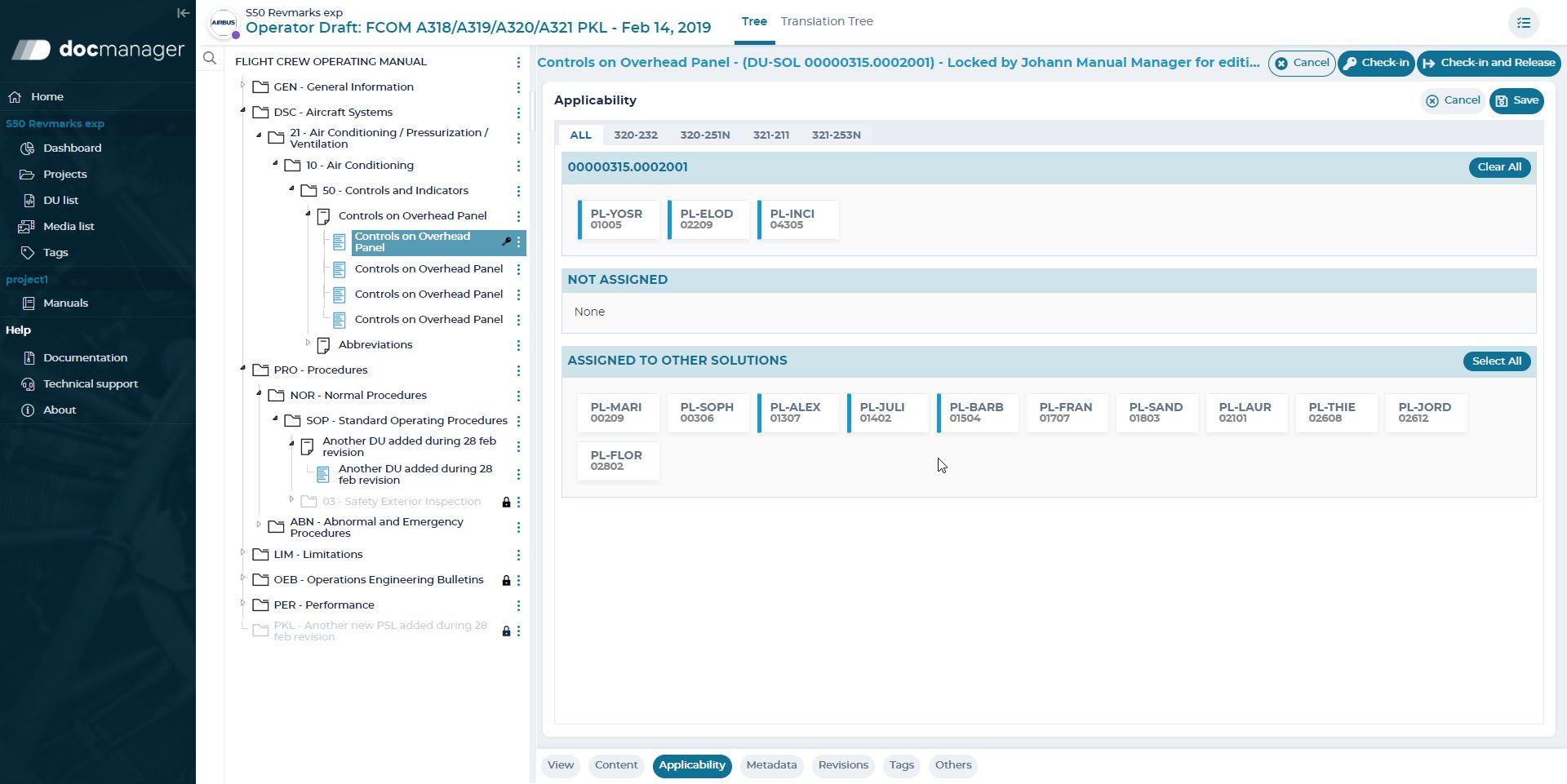
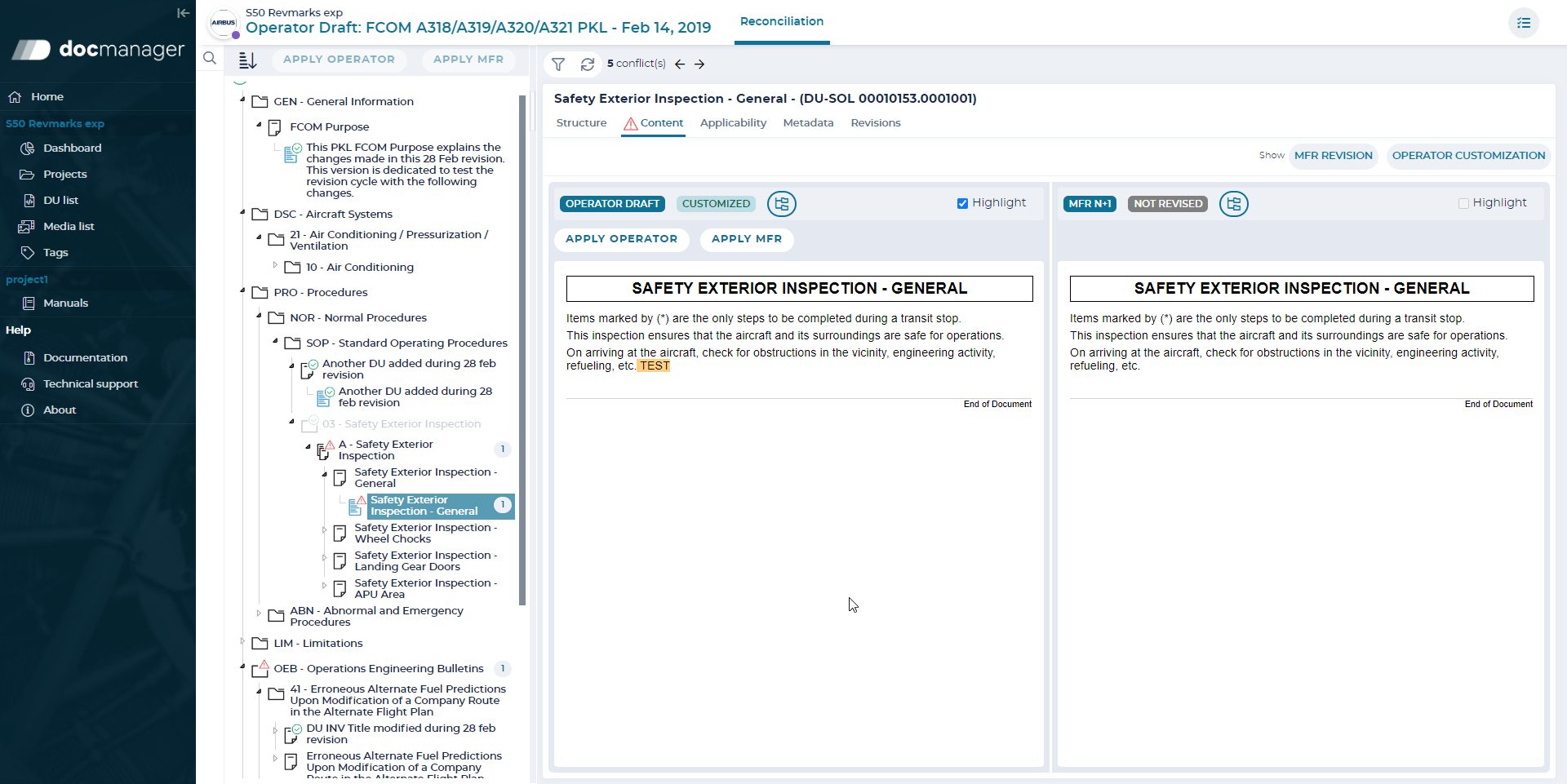
When creating Mission+, its electronic flight assistant for pilots, NAVBLUE wanted to implement a complementary documentation solution to manage Airbus Flight Ops technical documentation and the airline’s internal documentation.

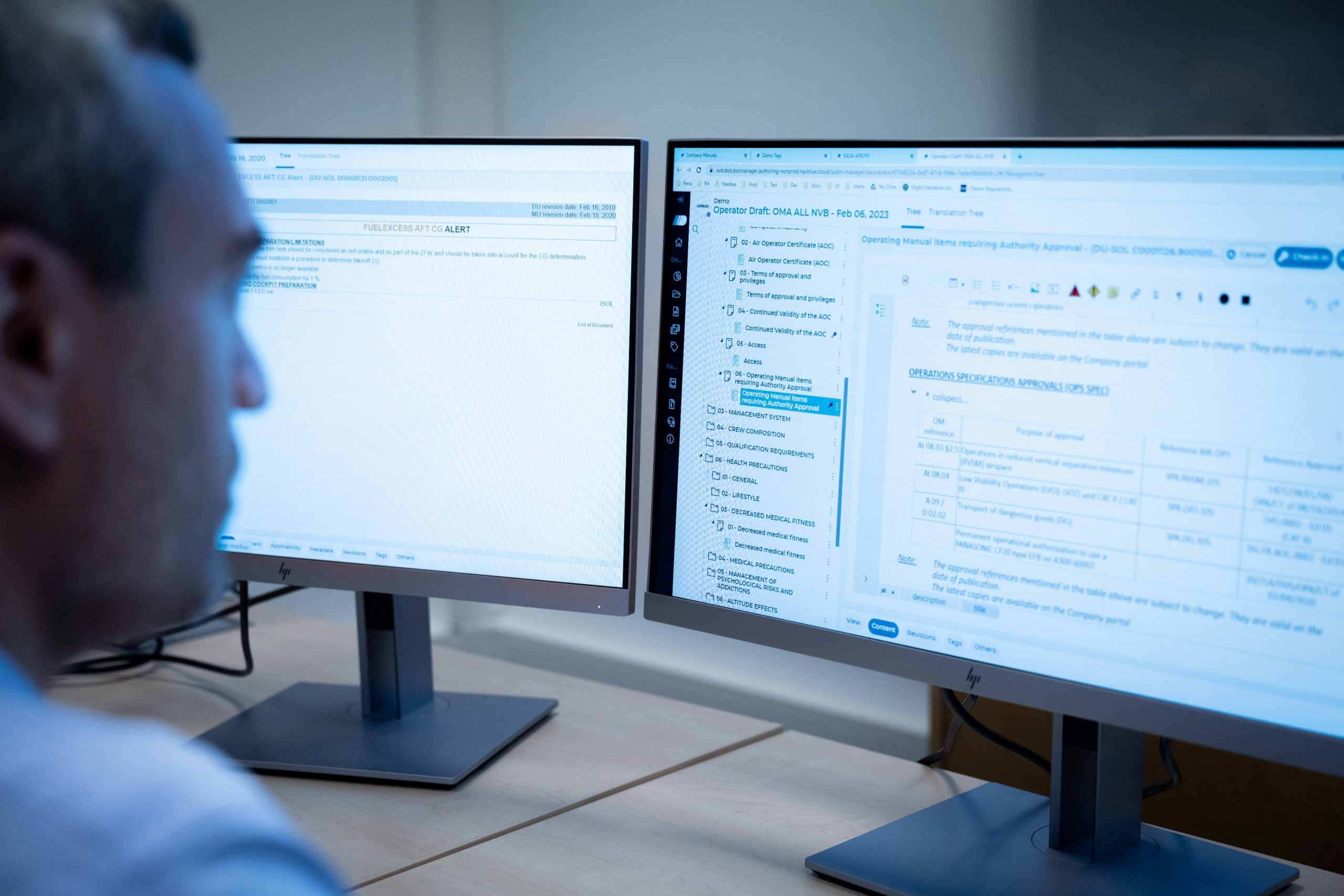
Mission+ DOC manager is a Mission+ module that enables the editing and review of ground documentation, followed by pilots viewing the documentation.

THE PROJECT

The AIRBUS subsidiary was looking for four features combined into a single solution:

Accueil : ingénierie documentaire - 4D concept 01carre bleu4D XML technologies 76
Integration of all processes, starting with the request to update documentation.
Accueil : ingénierie documentaire - 4D concept 02carre bleu4D XML technologies 77
Integration of procedures required by certification authorities.
Accueil : ingénierie documentaire - 4D concept 03carre bleu4D XML technologies 78
Authoring documentation in ADAM—an S1000D- and ATA-compliant documentation authoring environment developed and marketed by 4D CONCEPT.
Accueil : ingénierie documentaire - 4D concept 04carre bleu4D XML technologies 79
Delivery of documentation.

MISSION+ DOC Manager

Accueil : ingénierie documentaire - 4D concept M DOC manager scaled 1 XML technologies 80

On one hand, the SKYWISE teams possess all the business knowledge of the users and their end customers, as well as all the specifications.

On the other hand, 4D CONCEPT teams have development and documentation engineering skills, notably through the ADAM suite for S1000D- and ATA-compliant documentation production, as required by airlines.

It was therefore quite natural that 4D CONCEPT and SKYWISE entered into a partnership in 2019, leveraging each company’s strengths to develop an ergonomic and functional documentation portal named Mission+ DOC Manager.

For several years, 4D CONCEPT experts joined the SKYWISE teams to participate in the development of the Mission+ DOC Manager solution through the integration of the ADAM suite. Using the AGILE method, our teams adapted to business requirements and implemented the necessary evolution mechanisms based on the production foundation established by SKYWISE.

Building on this collaboration and through Mission+ DOC Manager, airlines have all the documentation required for Flight Ops centralized in a single service, called Doc Manager, thanks in part to the ADAM solution.

We are proud of everyone's work and of contributing to the success of flight operations through the partnership signed with SKYWISE, Airbus' Flight Ops subsidiary.

Building on this collaboration and through Mission+ DOC Manager, airlines have all the documentation required for Flight Ops centralized in a single service, called Doc Manager, thanks in part to the ADAM solution.

Accueil : ingénierie documentaire - 4D concept map 20 XML technologies 81

Paris

41 avenue du Centre
78180 Montigny-le-Bretonneux
SAINT-QUENTIN-EN-YVELINES

Accueil : ingénierie documentaire - 4D concept map 20 XML technologies 81

Toulouse

76 Voie du Toec
L’ECLAT Building – 3rd floor
31300 TOULOUSE

Accueil : ingénierie documentaire - 4D concept map 20 XML technologies 81

Lyon

523 cours du 3ème Millénaire
Building D – 1st floor
69800 SAINT-PRIEST

Accueil : ingénierie documentaire - 4D concept map 20 XML technologies 81

Aix-en-Provence

Espace Town
3120 route d’Avignon
13090 AIX-EN-PROVENCE

Accueil : ingénierie documentaire - 4D concept circle info 16 XML technologies 85

Stay informed about 4D CONCEPT news

You confirm that you have read our privacy policy. You may unsubscribe at any time by contacting us at dpo@.4dconcept.fr

*By submitting this registration form, I agree that the information entered may be used by 4D CONCEPT to send me newsletters
Accueil : ingénierie documentaire - 4D concept phone 16 XML technologies 86

Main Phone:

+33 (0)1 61 08 50 20

Accueil : ingénierie documentaire - 4D concept Envelope XML technologies 87

Email:

Legal NoticePrivacy Policy – All rights reserved – 4D CONCEPT – 2026

FLYING WHALES has chosen the ADAM S1000D SUITE to document its LCA60T airship | 4D CONCEPT Partner

Technological and ecological, FLYING WHALES brings 4D CONCEPT on board for the LCA60T Techpub adventure

THE PARTNERS

Logo with blue stylized text

A pioneering solution for air freight transport.

For the first time in history, an aircraft, the LCA60T,
will load and unload up to 60 tons of cargo while hovering.

Both manufacturer

FLYING WHALES INDUSTRY, the company producing the LCA60T, is at the forefront of a new industrial era. It relies on an exceptional design team, a consortium formed of cutting-edge aeronautical partners, and an extraordinary final assembly line.

And operator

FLYING WHALES SERVICES, the operating company for the LCA60T solution, will offer a turnkey service to its customers as a full operator (“airline” and operational base manager).

Large color 4D CONCEPT logo

A leader in technical documentation.

The ADAM documentary workshop is the only one capable of documenting
an ambitious program such as the LCA60T
both in terms of technical information and manuals
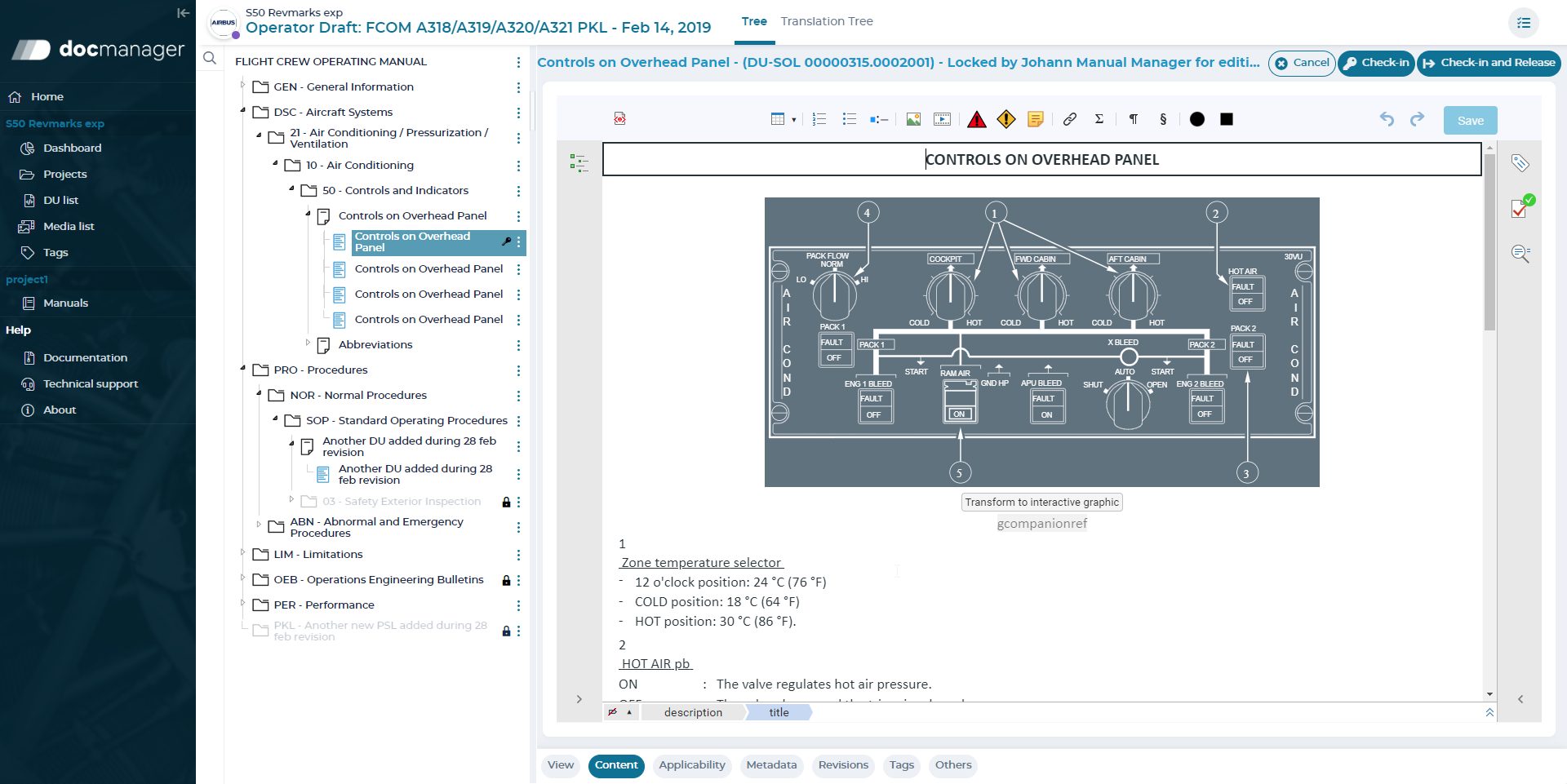
for flight operations within a unified environment.

Both software publisher

4D CONCEPT is recognized by all its clients as innovative. Our passion for our clients’ businesses and documentary engineering means that we are always deeply involved in their projects.

4D CONCEPT consists of three software lines with a documentary workshop, an editorial suite, and an innovative content management system.

And expert in documentary engineering

4D CONCEPT supports clients in segments as diverse as the Aerospace and Defense industry and the Press. Content structuring is a prerequisite for the performance of the applications that will utilize them. It is on this credo that we have built the expertise that differentiates us from our competitors.

THE PARTNERSHIP

This partnership was designed by FLYING WHALES and 4D CONCEPT with the aim of ensuring the success of the LCA60T project.

Among the many professions at work to bring this unique achievement to fruition, supported by French Tech, are the documentary engineering professions. Technical documentation is a necessary element for the certification and operation of the LCA60T.

4D CONCEPT is the partner of FLYING WHALES in charge of supporting the lifecycle of technical documentation throughout the LCA60T project.

Thus, 4D CONCEPT will act as a co-designer/expert during the initial years of the LCA60T program development and as a support partner during its years of operation.

THE PROJECT

Its major stages

The project is divided into several phases corresponding to different actions to be conducted by the partners during the development lifecycle of the LCA60T and, later, its commercial operation.

At each stage, the balance between the partners’ roles matches their passion and expertise.

The implementation of ADAM SUITE in its most complete form.

Modern logo with geometric elements.
01carre_bleu4D

Implementation of the S1000D and ATA2300 documentary production workshop, including import via ADAM Logistics and the integration of illustrations and animations from 3DExperience.

02carre_bleu4D

Opening the Supplier Portal, powered by ADAM Data Checker, to all LCA60T suppliers to test and deliver datasets and documents.

03carre_bleu4D

Finally, ADAM Viewer will offer a 100% digital interactive consultation of all LCA60T maintenance documentation as well as the FlightOPS section.

Collaborative information design phase.
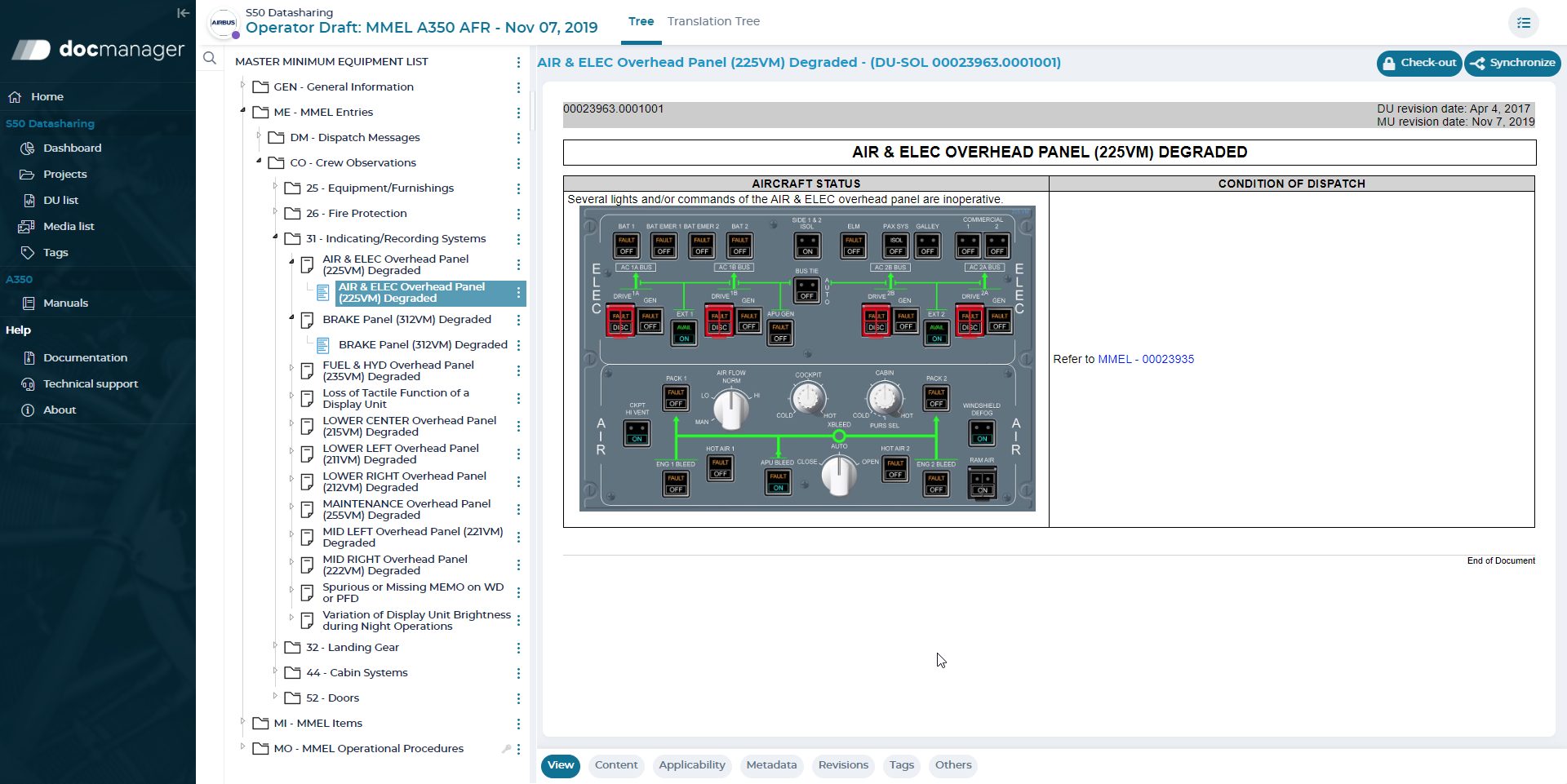
CERTIFICATION


4D CONCEPT’s support will involve a collaborative phase of designing the information necessary for the first flight tests and the certification of the LCA60T.
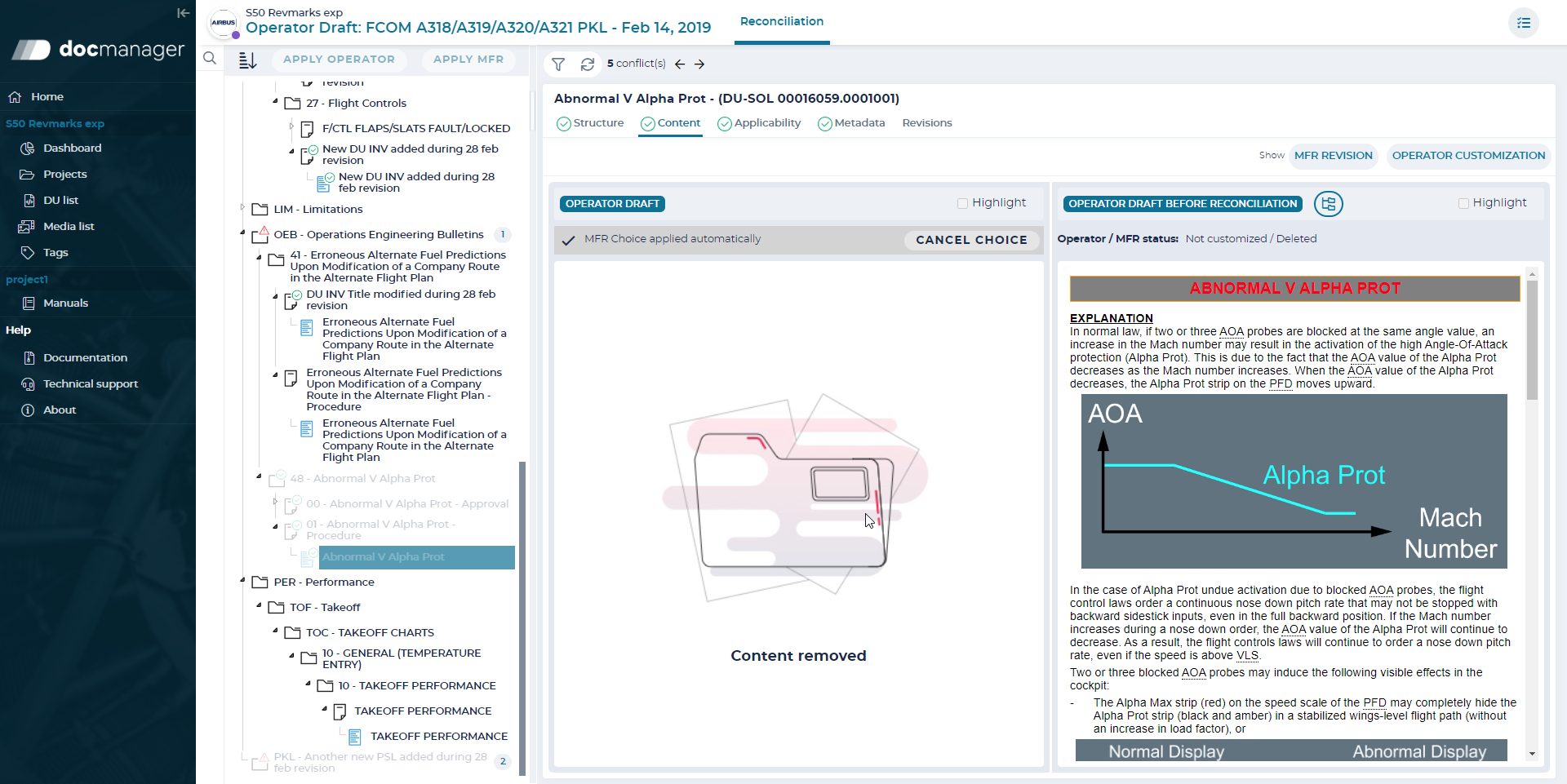
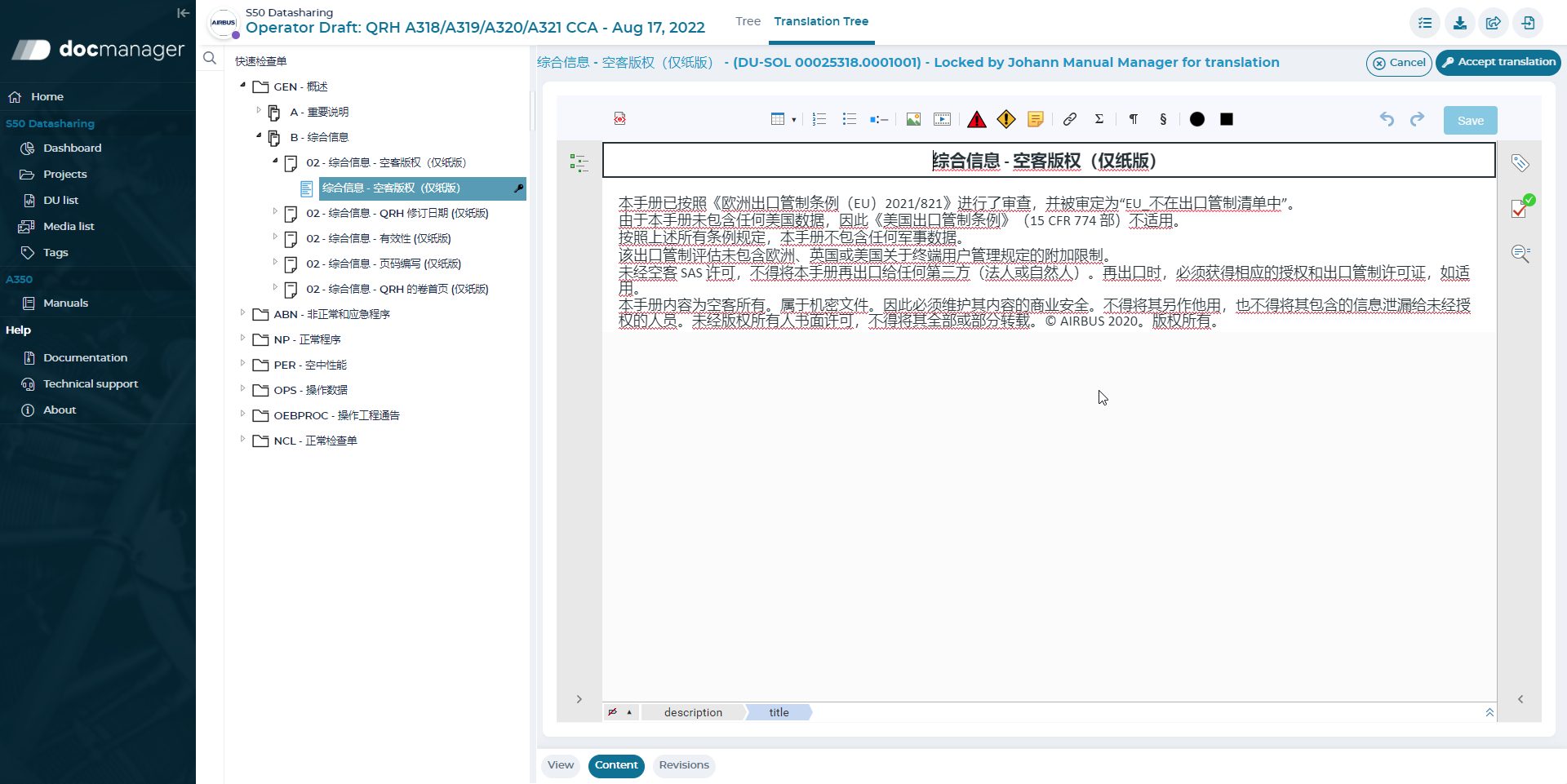
The information will be textual with design rules coded and guided by ADAM, but also animated, illustrated, and above all, interactive:
  • link between catalogs and procedures,
  • updates based on logistics information,
  • integration of supplier data,
  • and much more.

For information, maintenance documentation is required for aircraft certification.
The European Union Aviation Safety Agency (EASA), the Federal Aviation Administration (FAA), and other aviation regulatory bodies have specific requirements. The type and level of documentation differ but must be provided for aircraft certification.

This documentation includes:

  • maintenance manuals,
  • inspection procedures,
  • operating guides,
  • etc.

The documentation must be detailed and specific to the LCA60T, and it must be updated to reflect any changes or modifications made to the aircraft. ADAM SUITE is an asset for the quality and speed of updates.

As the LCA60T is unique, combining an airship with a lifting system, the dataset and documents will be determined between FLYING WHALES and the agencies according to operational objectives.

Continuous improvement, configuration management, and support.

Meeting new markets and the ecological challenges of the coming decades.

Its global operation and various forms of use must be considered within a complete cycle of continuous improvement and fully digital support and operational information.

Access to secure, reliable, and accessible information will be highly required for this program, which will operate in landlocked areas, generally without communication infrastructure.

We look forward to seeing it float and move through the air.

Accueil : ingénierie documentaire - 4D concept map 20 XML technologies 94

Paris

41 avenue du Centre
78180 Montigny-le-Bretonneux
SAINT-QUENTIN-EN-YVELINES

Accueil : ingénierie documentaire - 4D concept map 20 XML technologies 94

Toulouse

76 Voie du Toec
L’ECLAT Building – 3rd floor
31300 TOULOUSE

Accueil : ingénierie documentaire - 4D concept map 20 XML technologies 94

Lyon

523 cours du 3ème Millénaire
Building D – 1st floor
69800 SAINT-PRIEST

Accueil : ingénierie documentaire - 4D concept map 20 XML technologies 94

Aix-en-Provence

Espace Town
3120 route d’Avignon
13090 AIX-EN-PROVENCE

Accueil : ingénierie documentaire - 4D concept circle info 16 XML technologies 98

Stay informed about 4D CONCEPT news

You confirm that you have read our privacy policy. You may unsubscribe at any time by contacting us at dpo@.4dconcept.fr

*By submitting this registration form, I agree that the information entered may be used by 4D CONCEPT to send me newsletters
Accueil : ingénierie documentaire - 4D concept phone 16 XML technologies 99

Main Phone:

+33 (0)1 61 08 50 20

Accueil : ingénierie documentaire - 4D concept Envelope XML technologies 100

Email:

Legal NoticePrivacy Policy – All rights reserved – 4D CONCEPT – 2026